How To Choose The Right Oil Changes Provider In Chesapeake
Oil changes are one of the most fundamental maintenance tasks for vehicle longevity. Yet choosing the right provider in Chesapeake can feel overwhelming with so many options available. Some businesses prioritize speed over quality. Others charge premium prices without justifying the cost. The difference between a mediocre oil change service and an excellent one often comes down to attention to detail, transparency, and genuine expertise. This guide walks you through what matters when selecting an oil change provider in Chesapeake. We'll cover red flags to avoid, critical questions to ask, certifications worth checking, and pricing factors that actually indicate value. By the end, you'll know exactly what separates good service from great service.
Red Flags When Evaluating Oil Change Providers in Chesapeake
Before focusing on what to look for, understand what to avoid. Certain warning signs indicate a provider may cut corners or overcharge.
First, be cautious of businesses that pressure you into unnecessary services without explaining why. A technician mentioning your air filter needs replacement should show you the filter and explain its condition. They should never use high-pressure sales tactics.
Second, watch for providers who can't clearly explain their pricing. Hidden fees, vague labor charges, or refusal to provide written estimates before work begins are major red flags. Transparent businesses break down costs upfront.
Third, avoid shops that discourage you from watching or asking questions about the work. Reputable providers welcome customer involvement and explanation. If a technician seems annoyed when you ask what they're doing, that's telling.
Finally, be skeptical of unusually cheap pricing. While you want fair rates, prices significantly below the market average often mean cutting corners on quality or using substandard oil and filters.
Critical Questions to Ask Your Oil Change Provider
The right questions reveal how seriously a provider takes their work. Before scheduling, contact potential providers and ask these key questions.
"What type and weight of oil do you use, and why do you recommend that specific grade?" A knowledgeable technician knows your vehicle's requirements from the owner's manual and can explain the difference between synthetic, synthetic blend, and conventional oils. They understand that using the wrong viscosity can harm engine performance.
"Do you use OEM filters or aftermarket alternatives?" Original Equipment Manufacturer filters are designed specifically for your vehicle. While quality aftermarket options exist, knowing which you're getting matters. The provider should explain their choice.
"How often do you recommend oil change intervals?" Modern vehicles often go longer between changes than older cars. A provider who recommends 3,000-mile intervals for every vehicle without considering your specific car, driving habits, and oil type isn't thinking critically about maintenance.
"Can you explain what you inspect during an oil change?" Good providers check fluid levels, filters, belts, and hoses. They look for leaks or wear patterns. A basic oil change that involves only draining and refilling misses opportunities to catch problems early.
"What certifications do your technicians hold?" This question matters significantly and we'll explore it further below.
Certifications and Training That Matter
Not all certifications carry equal weight, but certain credentials indicate genuine expertise in oil change services and broader vehicle maintenance.
ASE (Automotive Service Excellence) certification is the gold standard. ASE-certified technicians have passed rigorous exams and meet continuing education requirements. An ASE-certified technician working on your vehicle has demonstrated competency and stays current with industry standards.
Manufacturer-specific certifications matter too. If you drive a Toyota, a technician with Toyota-specific training understands your vehicle's unique requirements better than someone with only general automotive knowledge.
NAPA AutoCare and other shop-level certifications indicate the business itself meets quality standards for equipment, processes, and customer service. These programs require shops to maintain specific standards and follow best practices.
Don't just ask if technicians are certified. Ask what they're certified in, when they earned the certification, and whether they maintain continuing education. A certification earned ten years ago without updates suggests outdated knowledge.
What Distinguishes Superior Oil Change Services in Chesapeake
Beyond certifications, certain practices separate exceptional providers from average ones.
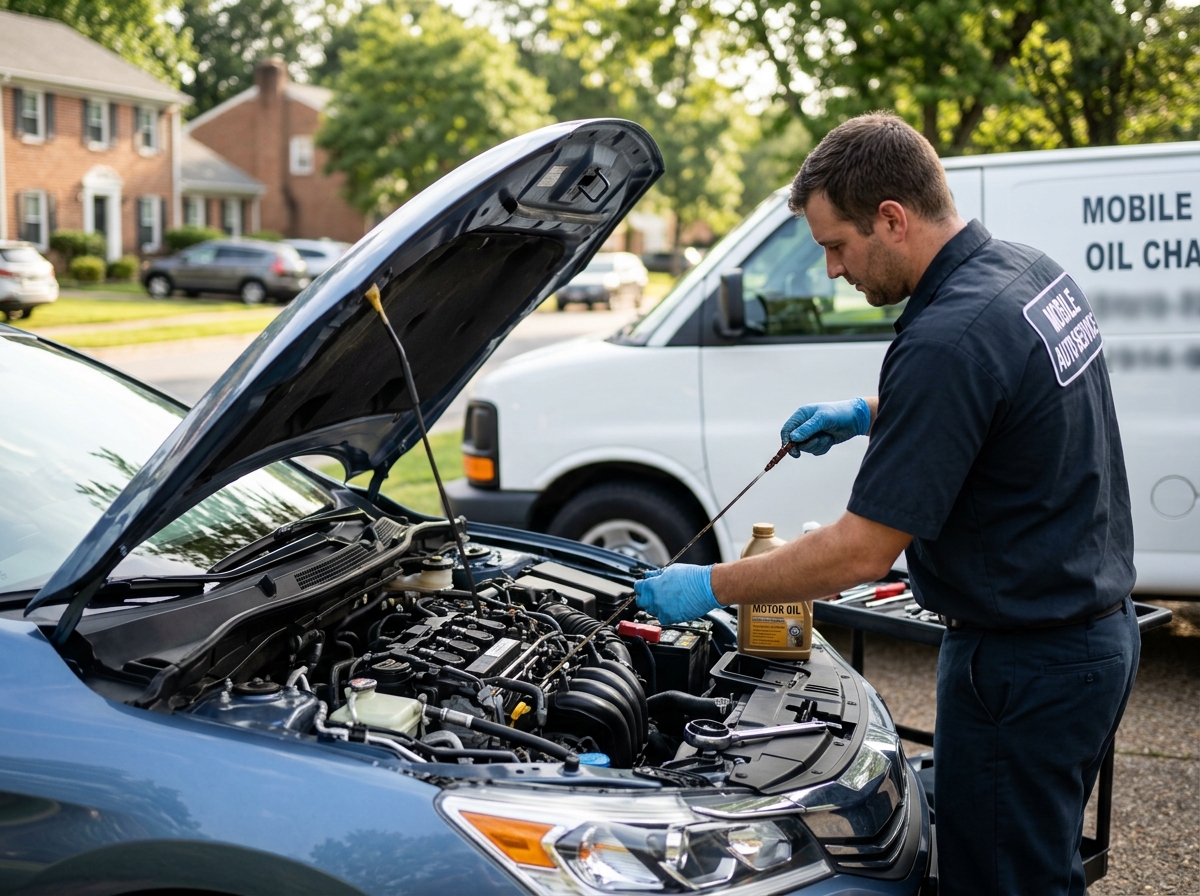
Mobile service providers eliminate the inconvenience of dropping your vehicle off. They come to your location, whether home or work, and complete the service while you handle other tasks. This model requires more expertise and organizational skill, as technicians work independently without shop infrastructure. Mobile vehicle maintenance providers often demonstrate higher technical standards because they must be self-sufficient and efficient.
Providers who offer comprehensive vehicle inspections during Oil changes add real value. They document findings in writing, showing you photos of any concerns. This proactive approach catches small issues before they become expensive repairs.
Quality providers keep detailed service records for your vehicle. Over time, these records reveal patterns about your specific car's needs and help plan future maintenance strategically.
Transparent communication distinguishes good service. A provider explains what they found, what it means, and what you should do about it. They don't recommend repairs you don't need, but they also don't hide developing problems.
Understanding Pricing for Oil changes in Chesapeake
Oil change pricing varies based on legitimate factors. Understanding these helps you evaluate fair pricing.
Oil type significantly affects cost. Synthetic oil costs more than conventional but lasts longer, often justifying the higher price. Synthetic blend sits between the two. Your owner's manual specifies what your vehicle needs, so don't pay extra for premium oil if conventional is appropriate.
Filter quality impacts pricing. OEM filters typically cost more than generic aftermarket options but provide better fit and performance. Knowing what you're paying for matters.
Location affects labor costs. Mobile service providers must account for travel time and equipment transportation. While this might seem to increase costs, it often saves you time and money by eliminating vehicle downtime.
Additional services included in the package matter. Some providers include fluid level checks, filter inspections, and belt assessments. Others charge separately for these items. Comparing total value, not just oil change cost, makes sense.
Fair pricing in Chesapeake typically ranges from 40 to 80 dollars for conventional Oil changes and 60 to 100 dollars for synthetic, depending on the factors above. Prices significantly outside this range warrant investigation.
Why Mobile Service Providers Excel at Oil changes
Mobile oil change providers in Chesapeake operate differently from traditional shops, often delivering superior results. Because they work at customer locations without shop infrastructure, they must be exceptionally organized and knowledgeable. There's no backup support, so they master their work.
Mobile providers typically see diverse vehicles daily. This exposure to different makes and models deepens their expertise. They develop problem-solving skills because they can't always refer issues to a manager or specialist.
The personal relationship built through mobile service creates accountability. Your technician knows you'll see them again and cares about your satisfaction. This matters more than in high-volume shop environments where you might never see the same person twice.
Oil changes delivered at your home or workplace demonstrate commitment to customer convenience. Providers offering this service understand that your time is valuable and structure their business around that principle.
Choosing the right oil change provider in Chesapeake requires looking beyond price to evaluate expertise, certifications, transparency, and service approach. Ask questions about oil types, filter quality, inspection practices, and technician credentials. Watch for red flags like pressure sales, unclear pricing, and discouragement of customer involvement. Prioritize providers who explain their work, maintain detailed records, and demonstrate genuine knowledge of your vehicle's specific needs. Mobile service providers often excel in these areas because their business model demands independence, expertise, and accountability. When you're ready to schedule your next oil change with a provider who meets these standards, you can feel confident you're making a choice that protects your vehicle's long-term health.